The Ultimate Guide to AI in Human Resources Management
An ultimate guide comparing AI applications in human resources management to streamline HR processes.
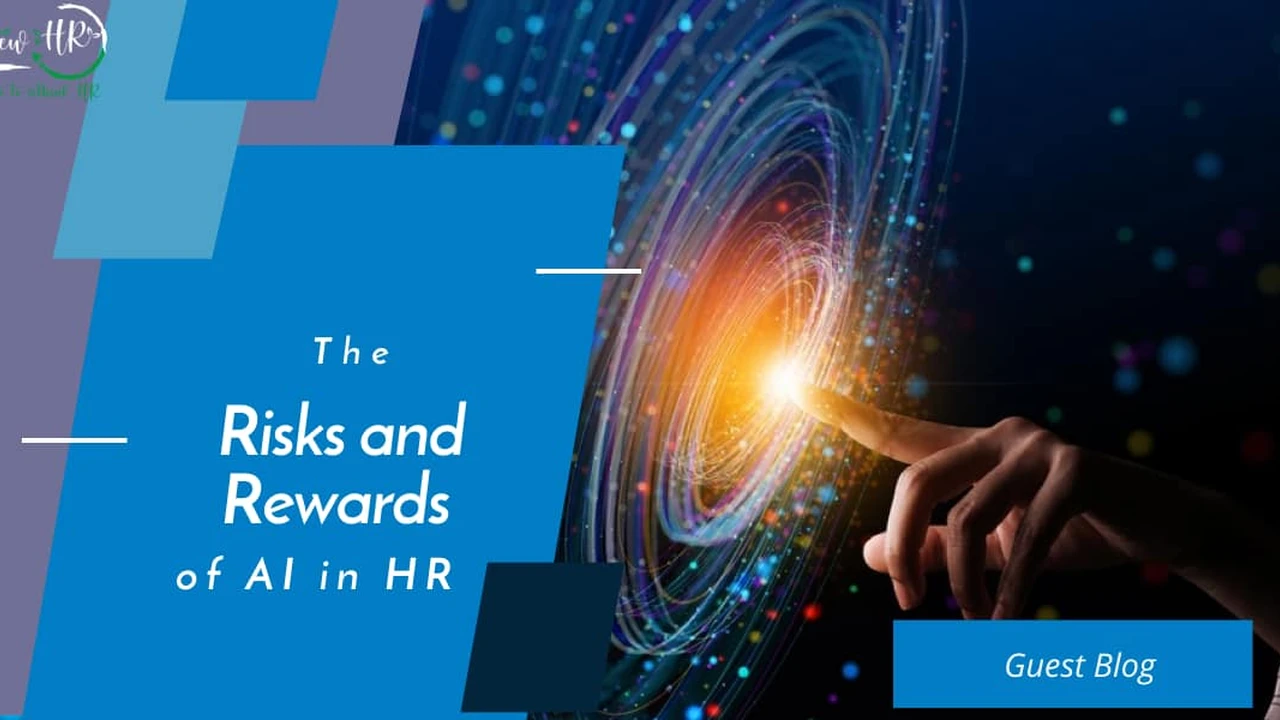
An ultimate guide comparing AI applications in human resources management to streamline HR processes.
The Ultimate Guide to AI in Human Resources Management
Welcome to the future of HR! Artificial Intelligence (AI) is no longer just a buzzword; it's a transformative force reshaping how businesses manage their most valuable asset: people. From recruitment to retention, performance management to payroll, AI is revolutionizing every facet of human resources. This comprehensive guide will dive deep into the world of AI in HR, exploring its myriad applications, comparing leading solutions, and discussing how businesses, especially in the US and Southeast Asia, can leverage this technology to build more efficient, engaged, and future-ready workforces.
Understanding AI in HR The Core Concepts
Before we jump into specific tools and applications, let's clarify what we mean by AI in HR. It's not about robots replacing humans entirely (at least not yet!). Instead, it's about using intelligent algorithms and machine learning to automate repetitive tasks, analyze vast amounts of data, and provide insights that human HR professionals can use to make better, more strategic decisions. Think of AI as a powerful co-pilot, freeing up HR teams from administrative burdens and allowing them to focus on high-value activities like talent development, employee engagement, and strategic planning.
Key AI Technologies Driving HR Innovation
- Machine Learning (ML): The ability of systems to learn from data, identify patterns, and make predictions without explicit programming. This is crucial for tasks like predicting employee turnover or identifying top talent.
- Natural Language Processing (NLP): Enables computers to understand, interpret, and generate human language. Essential for analyzing resumes, conducting sentiment analysis from employee feedback, and powering chatbots.
- Robotic Process Automation (RPA): Software robots that automate repetitive, rule-based tasks, such as data entry, onboarding paperwork, or generating routine reports.
- Predictive Analytics: Using statistical algorithms and machine learning techniques to identify the likelihood of future outcomes based on historical data. In HR, this can predict flight risk, hiring success, or training effectiveness.
- Computer Vision: While less common in traditional HR, it can be used for things like analyzing body language in video interviews (though this raises ethical considerations).
AI Applications Across the HR Lifecycle From Hire to Retire
AI is touching every stage of the employee journey. Let's break down its impact on different HR functions.
AI in Recruitment and Talent Acquisition Streamlining Hiring Processes
This is perhaps where AI has made the most significant inroads. Recruitment is often time-consuming and prone to human bias. AI helps by:
- Automated Sourcing and Screening: AI-powered tools can scan thousands of resumes and profiles from various platforms (LinkedIn, job boards) to identify candidates whose skills and experience best match job requirements. This significantly reduces the initial screening time.
- Candidate Engagement Chatbots: AI chatbots can answer common candidate questions 24/7, schedule interviews, and provide updates, improving the candidate experience and reducing recruiter workload.
- Predictive Hiring: AI can analyze historical data to predict which candidates are most likely to succeed in a role, reducing mis-hires and improving retention.
- Bias Reduction: While not foolproof, some AI tools are designed to identify and mitigate unconscious bias in job descriptions and resume screening, promoting more diverse hiring.
Recommended AI Recruitment Tools and Their Use Cases
1. HireVue (AI Video Interviewing and Assessments)
- Use Case: Large-scale recruitment, early-stage candidate screening, assessing soft skills.
- How it works: Candidates record video responses to interview questions or complete game-based assessments. AI analyzes verbal and non-verbal cues, language patterns, and cognitive abilities to provide insights into candidate suitability.
- Pros: Speeds up screening, provides objective data points, can reduce bias (if implemented carefully), accessible for remote candidates.
- Cons: Ethical concerns around AI interpretation of human behavior, potential for algorithmic bias if not trained on diverse data, requires careful communication with candidates.
- Pricing: Enterprise-level, custom quotes based on volume and features. Expect significant investment for large organizations.
2. Textio (Augmented Writing for Job Descriptions)
- Use Case: Crafting inclusive and effective job descriptions, employer branding.
- How it works: Textio uses AI to analyze job postings and identify language that might deter certain demographics or be less effective at attracting top talent. It suggests alternative phrasing to optimize for gender neutrality, appeal, and performance.
- Pros: Improves diversity in applicant pools, enhances employer brand, helps attract more qualified candidates.
- Cons: Requires subscription, effectiveness depends on continuous data input and algorithm refinement.
- Pricing: Subscription-based, typically for teams or enterprises. Starts from a few hundred dollars per month for smaller teams, scaling up.
3. Paradox Olivia (AI Recruiting Assistant Chatbot)
- Use Case: Candidate engagement, answering FAQs, scheduling interviews, pre-screening.
- How it works: Olivia is an AI chatbot that interacts with candidates via text, web, or WhatsApp. She can answer questions about jobs, company culture, collect basic information, and even schedule interviews directly into recruiters' calendars.
- Pros: 24/7 candidate support, improves candidate experience, frees up recruiter time, reduces ghosting.
- Cons: Initial setup and training required, can feel impersonal if not configured well.
- Pricing: Enterprise-level, custom quotes.
AI in Onboarding and Employee Experience Enhancing the Journey
The first few weeks and months are crucial for new hires. AI can make this process smoother and more engaging:
- Personalized Onboarding Journeys: AI can tailor onboarding content and tasks based on the employee's role, department, and previous experience.
- Chatbots for FAQs: New hires often have many questions. AI chatbots can provide instant answers to common queries about company policies, benefits, or IT support.
- Sentiment Analysis: AI can analyze feedback from onboarding surveys to identify common pain points and improve the process.
Recommended AI Onboarding Tools and Their Use Cases
1. Leena AI (Employee Experience Platform)
- Use Case: Employee self-service, HR helpdesk, onboarding support, internal communications.
- How it works: Leena AI provides an AI-powered chatbot that integrates with existing HR systems. Employees can ask questions about policies, benefits, payroll, or IT issues and get instant answers. It also helps with onboarding by guiding new hires through tasks and providing relevant information.
- Pros: Reduces HR workload, improves employee satisfaction with quick answers, available 24/7, supports multiple languages.
- Cons: Requires integration with existing systems, initial training of the AI knowledge base.
- Pricing: Custom quotes based on employee count and features.
2. Workday (with AI capabilities)
- Use Case: Comprehensive HRIS, talent management, payroll, and increasingly, AI-driven insights for onboarding and employee experience.
- How it works: Workday's platform uses AI to personalize content, recommend learning paths, and provide insights into employee sentiment. For onboarding, it can guide new hires through tasks, provide relevant resources, and connect them with mentors.
- Pros: All-in-one solution, robust data analytics, strong security.
- Cons: High cost, complex implementation, primarily for larger enterprises.
- Pricing: Enterprise-level, custom quotes.
AI in Performance Management and Development Driving Growth
AI is transforming how companies assess performance and foster employee growth:
- Continuous Feedback and Coaching: AI tools can analyze communication patterns and provide real-time feedback or coaching suggestions to managers and employees.
- Personalized Learning Paths: Based on performance data and career aspirations, AI can recommend tailored learning and development resources.
- Predictive Performance: AI can identify employees at risk of underperformance or those with high potential, allowing for proactive interventions.
- Goal Setting and Tracking: AI can help employees set SMART goals and track progress, providing nudges and insights.
Recommended AI Performance Management Tools and Their Use Cases
1. Betterworks (Continuous Performance Management)
- Use Case: OKR management, continuous feedback, performance reviews, employee development.
- How it works: Betterworks integrates AI to analyze performance data, identify trends, and provide insights to managers. It helps in setting and tracking OKRs (Objectives and Key Results), facilitating regular check-ins, and offering personalized feedback prompts.
- Pros: Fosters a culture of continuous feedback, aligns individual goals with company objectives, provides data-driven insights.
- Cons: Requires strong organizational buy-in for continuous feedback culture, can be complex to implement initially.
- Pricing: Enterprise-level, custom quotes.
2. Gloat (Internal Talent Marketplace)
- Use Case: Employee development, internal mobility, skill matching, project staffing.
- How it works: Gloat uses AI to match employees with internal projects, mentorship opportunities, and learning resources based on their skills, interests, and career goals. It helps employees develop new skills and explore different roles within the company.
- Pros: Boosts employee engagement and retention, identifies hidden talent, promotes skill development, reduces external hiring costs.
- Cons: Requires a critical mass of internal opportunities, needs strong management support.
- Pricing: Enterprise-level, custom quotes.
AI in Compensation and Benefits Ensuring Fairness and Competitiveness
AI can bring data-driven insights to compensation strategies:
- Market Benchmarking: AI can analyze vast amounts of market data to ensure compensation packages are competitive and fair.
- Pay Equity Analysis: AI can identify potential pay gaps based on gender, ethnicity, or other factors, helping organizations address inequities.
- Personalized Benefits Recommendations: Based on employee demographics and preferences, AI can suggest relevant benefits packages.
Recommended AI Compensation Tools and Their Use Cases
1. Compa (Compensation Intelligence Platform)
- Use Case: Real-time compensation benchmarking, offer management, pay equity analysis.
- How it works: Compa uses AI and machine learning to provide real-time compensation data, allowing companies to make competitive job offers and ensure internal pay equity. It analyzes market data, internal compensation structures, and candidate profiles.
- Pros: Data-driven compensation decisions, reduces offer rejections, helps ensure pay equity.
- Cons: Relies on accurate and up-to-date market data, requires integration with ATS/HRIS.
- Pricing: Subscription-based, custom quotes.
AI in Employee Relations and Retention Building a Positive Culture
AI can help HR proactively address employee concerns and improve retention:
- Sentiment Analysis from Feedback: AI can analyze employee surveys, internal communications, and exit interviews to gauge sentiment and identify potential issues before they escalate.
- Predictive Turnover: AI models can identify employees at high risk of leaving the company, allowing HR to intervene with retention strategies.
- Conflict Resolution Support: While AI won't mediate, it can provide resources and suggest best practices for managers dealing with employee relations issues.
Recommended AI Employee Relations and Retention Tools and Their Use Cases
1. Culture Amp (Employee Experience Platform with AI Insights)
- Use Case: Employee surveys, feedback analysis, engagement insights, predicting turnover.
- How it works: Culture Amp uses AI and machine learning to analyze employee survey data, identify key drivers of engagement and attrition, and provide actionable insights to HR and managers. It can predict which employees are at risk of leaving and suggest interventions.
- Pros: Comprehensive employee feedback platform, powerful analytics, actionable insights, helps build a positive culture.
- Cons: Requires consistent survey participation, insights are only as good as the data provided.
- Pricing: Subscription-based, custom quotes based on employee count.
2. Peakon (now Workday Peakon Employee Voice)
- Use Case: Real-time employee feedback, engagement measurement, sentiment analysis, retention insights.
- How it works: Peakon uses AI to analyze employee feedback from short, frequent surveys. It identifies key themes, sentiment, and provides managers with real-time, actionable recommendations to improve engagement and reduce turnover.
- Pros: Real-time insights, easy-to-use interface, focuses on actionable recommendations.
- Cons: Requires regular employee participation, can be overwhelming if not properly managed.
- Pricing: Enterprise-level, custom quotes.
Ethical Considerations and Challenges of AI in HR Navigating the New Frontier
While AI offers immense benefits, it's crucial to address the ethical implications and potential challenges.
Bias in AI Algorithms Ensuring Fairness and Equity
AI systems learn from data. If the historical data contains biases (e.g., past hiring decisions that favored certain demographics), the AI will perpetuate and even amplify those biases. This can lead to discriminatory outcomes in hiring, promotions, or performance evaluations. Organizations must:
- Audit Data: Regularly audit the data used to train AI models for bias.
- Diverse Training Data: Ensure AI models are trained on diverse and representative datasets.
- Human Oversight: Maintain human oversight and intervention in AI-driven decisions.
- Transparency: Be transparent about how AI is being used and its limitations.
Data Privacy and Security Protecting Sensitive Information
HR deals with highly sensitive personal data. AI systems that process this data must adhere to strict privacy regulations (like GDPR, CCPA, and local regulations in Southeast Asia). Companies need to:
- Implement Robust Security: Ensure AI platforms have top-tier data encryption and security protocols.
- Comply with Regulations: Understand and comply with all relevant data privacy laws.
- Obtain Consent: Clearly communicate with employees about how their data is being used and obtain necessary consent.
Transparency and Explainability Understanding AI Decisions
The 'black box' nature of some AI algorithms can make it difficult to understand how decisions are made. In HR, this is problematic. Employees and regulators need to understand why a candidate was rejected or why a performance rating was given. Companies should strive for:
- Explainable AI (XAI): Choose AI tools that offer some level of transparency into their decision-making process.
- Clear Communication: Explain to employees how AI is used and what its role is in HR processes.
Job Displacement and Reskilling Preparing for the Future Workforce
While AI automates repetitive tasks, it can lead to concerns about job displacement. HR professionals need to:
- Focus on Upskilling: Invest in training and development programs to reskill employees for new roles that emerge alongside AI.
- Redefine HR Roles: Shift HR roles from administrative to more strategic, focusing on human-centric tasks that AI cannot replicate.
Implementing AI in HR Best Practices for Success
Adopting AI in HR isn't just about buying software; it's a strategic initiative. Here's how to do it right:
Start Small and Scale Gradually Phased Implementation
Don't try to implement AI across all HR functions at once. Start with a pilot project in one area (e.g., recruitment screening or chatbot for FAQs) to learn, refine, and demonstrate value before scaling.
Define Clear Objectives and KPIs Measuring Success
What problems are you trying to solve with AI? Is it reducing time-to-hire, improving employee retention, or enhancing engagement? Define clear, measurable key performance indicators (KPIs) to track the success of your AI initiatives.
Ensure Data Quality and Integration The Foundation of AI
AI thrives on data. Ensure your HR data is clean, accurate, and well-integrated across different systems. Poor data quality will lead to poor AI insights.
Prioritize Employee Experience and Communication Human-Centric Approach
Communicate openly with employees about how AI is being used and how it benefits them. Emphasize that AI is there to augment human capabilities, not replace them. Focus on how AI improves their experience, whether through faster responses or more personalized development opportunities.
Invest in Training and Upskilling Empowering Your HR Team
Your HR team needs to understand AI, its capabilities, and its limitations. Provide training on how to work alongside AI tools, interpret their insights, and manage the ethical considerations.
Choose the Right Partners Selecting AI Vendors
When selecting AI vendors, look for:
- Industry Expertise: Vendors with a deep understanding of HR challenges.
- Scalability: Solutions that can grow with your organization.
- Security and Compliance: Robust data security and adherence to privacy regulations.
- Transparency: Vendors who are open about how their AI works and addresses bias.
- Customer Support: Reliable support for implementation and ongoing use.
The Future of AI in HR Continuous Evolution
The landscape of AI in HR is constantly evolving. We can expect to see:
- More Personalized Employee Experiences: AI will increasingly tailor every aspect of the employee journey, from learning to benefits.
- Proactive HR: AI will enable HR to move from reactive problem-solving to proactive intervention, predicting issues before they arise.
- Enhanced Human-AI Collaboration: HR professionals will become adept at working alongside AI, leveraging its analytical power to make more strategic and empathetic decisions.
- Ethical AI Frameworks: Greater emphasis on developing and adhering to ethical guidelines for AI use in HR, especially in diverse markets like the US and Southeast Asia.
AI is not just a tool; it's a strategic partner for HR. By embracing this technology thoughtfully and ethically, businesses can build more resilient, efficient, and human-centric workforces, ready to thrive in the digital age.
:max_bytes(150000):strip_icc()/277019-baked-pork-chops-with-cream-of-mushroom-soup-DDMFS-beauty-4x3-BG-7505-5762b731cf30447d9cbbbbbf387beafa.jpg)