Review the best online reputation management ORM software to monitor and improve brand perception.
Review the best online reputation management ORM software to monitor and improve brand perception. In today's hyper-connected digital world, your business's online reputation isn't just important; it's everything. A single negative review or a poorly handled social media comment can quickly spiral, impacting your sales, customer trust, and even your talent acquisition efforts. That's where Online Reputation Management (ORM) software comes in. These powerful tools help you monitor, manage, and improve how your brand is perceived across the vast expanse of the internet. Think of it as your digital shield and sword, protecting your brand from harm while actively shaping a positive narrative.
Best Online Reputation Management ORM Software
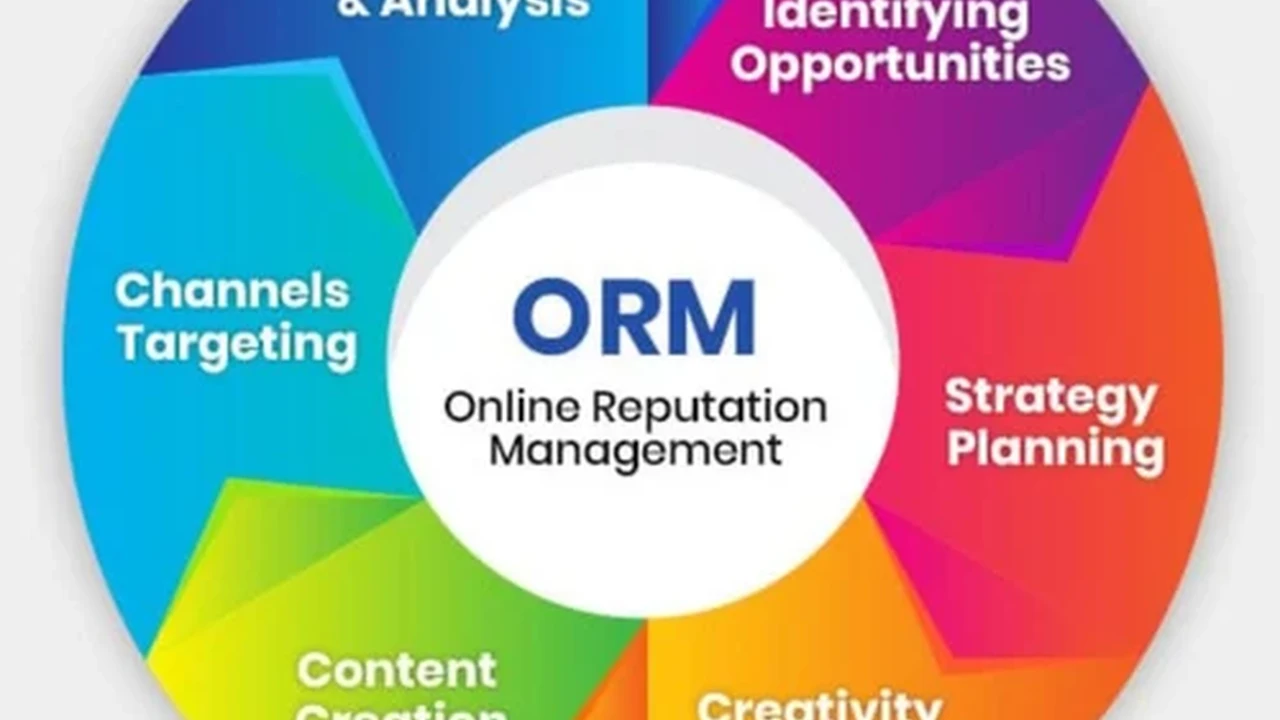
Understanding Online Reputation Management Software Key Features
So, what exactly does ORM software do? At its core, it's about giving you visibility and control over your brand's online presence. This typically involves several key features. First up is **Reputation Monitoring and Alerts**. This is non-negotiable. Good ORM software constantly scans the web – social media, review sites, news outlets, forums, blogs – for mentions of your brand, products, services, and even key personnel. When something pops up, whether positive or negative, you get an instant alert. This allows you to respond quickly, mitigating potential damage or amplifying positive sentiment. Imagine a customer posts a glowing review on Yelp; you want to know about it immediately so you can thank them and share it. Conversely, if someone complains on Twitter, a swift, empathetic response can turn a negative experience into a positive one.
Next, we have **Review Management and Generation**. Customer reviews are gold. They influence purchasing decisions more than almost any other factor. ORM software helps you track reviews across platforms like Google My Business, Facebook, TripAdvisor, and industry-specific sites. More importantly, many tools offer features to actively solicit new reviews from satisfied customers, helping you build a strong, positive review profile. They might integrate with your CRM or email marketing platform to send automated review requests after a purchase or service interaction. This proactive approach is crucial for maintaining a healthy average rating and outranking competitors.
Then there's **Social Media Listening and Engagement**. Social media is a double-edged sword. It's a fantastic platform for connecting with your audience, but it's also where negative sentiment can spread like wildfire. ORM software provides advanced social listening capabilities, allowing you to track conversations about your brand, industry, and competitors. You can identify trends, engage with customers, and address complaints directly on the platforms where they occur. Some tools even offer sentiment analysis, helping you quickly gauge the overall tone of online discussions.
**Search Engine Optimization SEO for Reputation** is another vital component. Your online reputation is heavily tied to what appears in search engine results when someone Googles your brand. ORM software often includes features to help you push positive content higher in search rankings and suppress negative content. This might involve identifying opportunities for new content creation, optimizing existing positive assets, or even helping with link building to strengthen authoritative positive pages. The goal is to ensure that when potential customers search for you, they primarily see positive, controlled information.
Finally, **Competitor Monitoring and Analysis** is a powerful feature. It's not just about your brand; it's about understanding the competitive landscape. ORM tools can track your competitors' online reputations, review scores, and social media activity. This intelligence can inform your own strategies, helping you identify gaps in the market, learn from their successes, and avoid their mistakes. It's like having a spyglass into your rivals' digital world.
Leading Online Reputation Management Software Solutions Compared
Alright, let's dive into some of the top players in the ORM software space. Each has its strengths, target audience, and pricing structure, so it's about finding the best fit for your specific needs.
Brandwatch Comprehensive Social Listening and Analytics
**Brandwatch** is a powerhouse, particularly known for its incredibly robust social listening and consumer intelligence capabilities. If you're a larger enterprise or a brand with a significant social media presence, Brandwatch offers unparalleled depth in understanding online conversations. It goes beyond simple mentions, providing deep sentiment analysis, trend identification, and audience segmentation. You can track brand mentions, campaign performance, and even identify key influencers. It's fantastic for understanding the 'why' behind online sentiment. However, this level of sophistication comes with a price tag, making it more suitable for larger organizations with dedicated marketing and PR teams. Pricing is typically custom and enterprise-level, so expect to engage with their sales team for a quote. Its primary use case is for in-depth market research, crisis management, and strategic brand positioning.
**Reputation.com** is a comprehensive, all-in-one platform that caters to businesses of all sizes, from small local businesses to large enterprises. Their strength lies in their holistic approach, covering review management, social media management, local SEO, and customer experience insights. They excel at helping businesses actively solicit and manage reviews across hundreds of sites, which is crucial for local businesses. They also offer robust reporting and analytics, giving you a clear picture of your online health. Reputation.com is particularly strong for multi-location businesses that need to manage reputation at scale. Their pricing is tiered, starting from around $200-$300 per month for smaller businesses and scaling up significantly for enterprise solutions. It's ideal for businesses that need a single platform to handle all aspects of their online reputation, especially those with a strong focus on customer reviews and local search.
Birdeye Customer Experience and Reputation Management
**Birdeye** is another strong contender, focusing heavily on customer experience and review generation. They offer a suite of tools including review management, listings management, customer surveys, and messaging. Birdeye is excellent at helping businesses collect reviews via SMS and email, making it super easy for customers to leave feedback. They also provide a unified inbox for managing all customer communications, from reviews to social media messages. Birdeye is particularly popular among healthcare providers, automotive dealerships, and other service-based businesses where customer feedback is paramount. Their pricing is also tiered, with plans starting in the low hundreds per month and increasing based on features and locations. It's a great choice for businesses looking to actively improve their customer experience and leverage positive reviews as a marketing asset.
Mention Real-time Media Monitoring and Social Listening
**Mention** is a more budget-friendly option that excels at real-time media monitoring and social listening. If your primary need is to track mentions of your brand across the web and social media, Mention is a fantastic tool. It provides instant alerts, allowing you to react quickly to any online conversation. While it doesn't have the deep review generation features of Reputation.com or Birdeye, it's excellent for staying on top of what's being said about your brand and competitors. It's particularly useful for PR teams, marketing agencies, and small to medium-sized businesses that need to monitor their online presence without breaking the bank. Pricing starts with a free plan for basic monitoring, with paid plans ranging from around $49 to $450+ per month, depending on the number of alerts, users, and features. It's a solid choice for proactive monitoring and quick response.
Podium Local Business Interaction and Reputation
**Podium** is specifically designed for local businesses, focusing on simplifying customer interactions and driving reviews. They offer a suite of tools including webchat, text messaging, payment processing, and, crucially, review management. Podium makes it incredibly easy for local businesses to collect reviews by sending text messages to customers after a service. They also provide a centralized inbox for managing all customer communications, making it easier to respond to inquiries and feedback. If you run a local shop, a service business, or a restaurant, Podium can be a game-changer for improving your local online presence and customer engagement. Pricing is typically custom, but generally starts in the low hundreds per month, scaling with the number of locations and features. It's perfect for businesses that thrive on local customer interactions and reviews.
Meltwater Media Intelligence and Social Analytics
**Meltwater** is another enterprise-level solution, similar to Brandwatch, offering extensive media intelligence and social analytics. It's a comprehensive platform for PR, marketing, and communications professionals. Meltwater provides deep insights into media coverage, social conversations, and influencer identification. It's excellent for tracking PR campaigns, understanding media sentiment, and identifying key journalists and influencers. While it offers some reputation management capabilities, its core strength lies in media monitoring and analysis. Like Brandwatch, its pricing is custom and geared towards larger organizations. It's best suited for companies with significant PR and communications needs, looking for a powerful tool to manage their media presence and brand narrative.
Choosing the Right ORM Software for Your Business Needs
So, how do you pick the right one? It really boils down to your specific business size, industry, and primary goals. If you're a small local business, something like Podium or Birdeye might be perfect because they focus on local reviews and customer interaction. If you're a larger enterprise with complex social media needs and a global presence, Brandwatch or Meltwater might be more appropriate. For a balanced, all-in-one solution, Reputation.com is a strong contender. If budget is a major concern and you primarily need monitoring, Mention is a great starting point.
Consider your budget first. ORM software can range from tens to thousands of dollars per month. Then, think about your most pressing reputation challenges. Are you struggling with negative reviews? Do you need to improve your local search rankings? Are you worried about what's being said about your brand on social media? Prioritize the features that address these challenges directly. Also, consider ease of use. Some platforms are more intuitive than others, and you want a tool that your team can actually use effectively without extensive training. Finally, don't forget about integrations. Does the ORM software integrate with your existing CRM, marketing automation, or customer service platforms? Seamless integration can save you a lot of time and effort.
Maximizing Your Online Reputation Management Efforts Best Practices
Having the right software is just one piece of the puzzle. To truly maximize your ORM efforts, you need to implement some best practices. First and foremost, **be proactive, not reactive**. Don't wait for a crisis to start thinking about your online reputation. Actively solicit reviews, engage with customers on social media, and create positive content that showcases your brand's values and expertise. This builds a strong foundation that can weather occasional negative feedback.
**Respond to all reviews, both positive and negative**. For positive reviews, a simple thank you goes a long way. It shows appreciation and encourages others to leave feedback. For negative reviews, respond promptly, professionally, and empathetically. Acknowledge the customer's concern, apologize if appropriate, and offer a solution or a way to take the conversation offline. A well-handled negative review can actually improve your brand image, demonstrating your commitment to customer satisfaction.
**Monitor consistently**. Online conversations happen 24/7. Set up alerts and regularly check your ORM dashboard. The sooner you know about a mention, the sooner you can act. This is especially critical for crisis management. Early detection can prevent a small issue from becoming a major PR nightmare.
**Create and promote positive content**. Don't just react to what others are saying; actively shape your narrative. Publish blog posts, press releases, case studies, and social media content that highlights your strengths, achievements, and positive customer experiences. This positive content will help push down any negative search results and provide a more balanced view of your brand.
**Train your team**. Everyone in your organization, especially those interacting with customers, plays a role in your online reputation. Train them on best practices for customer service, social media engagement, and handling feedback. A consistent, positive customer experience across all touchpoints is fundamental to a strong online reputation.
**Leverage local SEO**. For businesses with physical locations, optimizing your Google My Business profile and actively managing local reviews is paramount. This directly impacts your visibility in local search results and can drive foot traffic. Ensure your business information is consistent across all online directories.
**Analyze and adapt**. Regularly review your ORM data. What are the common themes in your reviews? What are people saying about your competitors? Use these insights to refine your products, services, and marketing strategies. The digital landscape is constantly evolving, so your ORM strategy should too.
By combining powerful ORM software with these best practices, you're not just protecting your brand; you're actively building a stronger, more trusted, and more successful business in the digital age. It's an ongoing process, but the rewards of a stellar online reputation are well worth the effort.
:max_bytes(150000):strip_icc()/277019-baked-pork-chops-with-cream-of-mushroom-soup-DDMFS-beauty-4x3-BG-7505-5762b731cf30447d9cbbbbbf387beafa.jpg)